Manténgase sano!
- Posted January 15, 2026
Elevated Blood Pressure Increases Pregnancy Risks, Study Finds
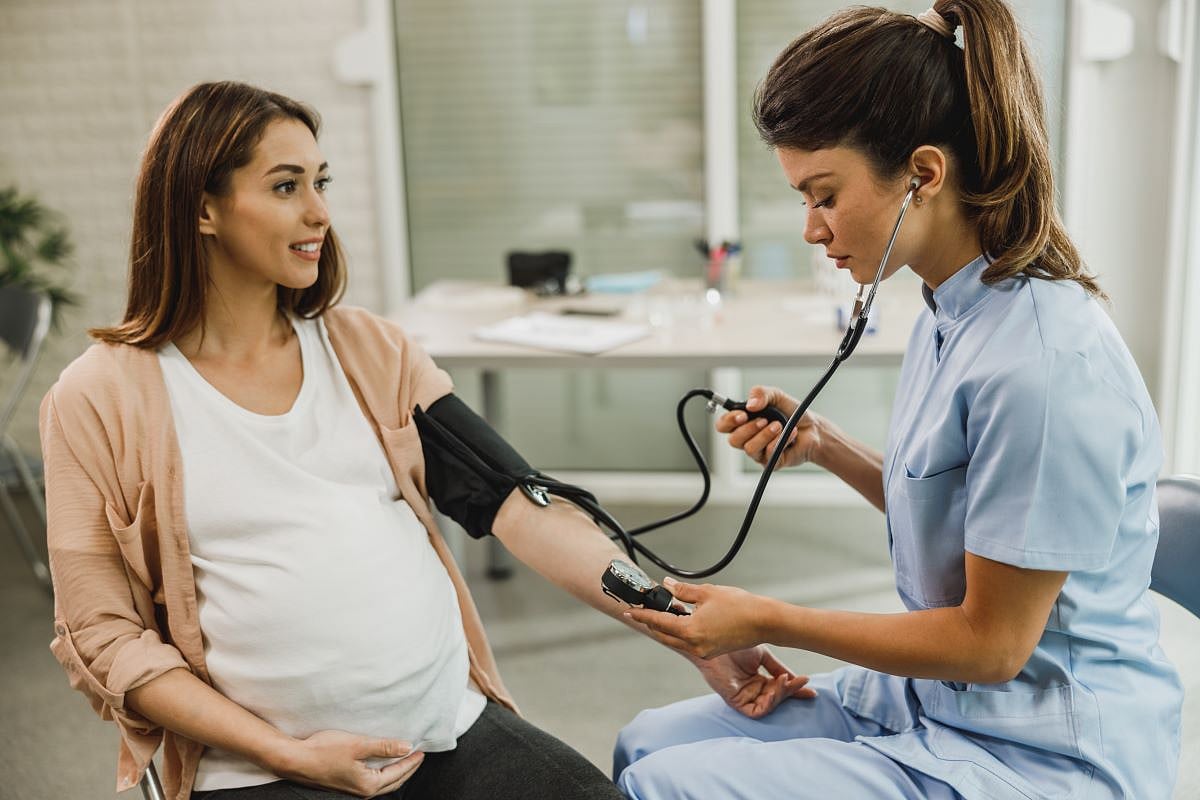
Managing an expecting mother’s blood pressure could improve her odds of an overall healthy pregnancy, a new study says.
Just a 10-point increase in a pregnant woman’s systolic blood pressure -- the top number in a blood pressure reading -- is linked to an increased risk of many serious complications affecting both mother and baby, researchers reported Jan. 14 in the journal BMC Medicine.
“Our findings suggest that higher maternal blood pressure increases the risk of multiple adverse pregnancy outcomes, including preterm delivery, giving birth to smaller babies, needing to have labor induced, gestational diabetes and the baby needing to be admitted to a neonatal intensive care unit,” investigator Maria Magnus, a senior researcher at the Norwegian Institute of Health’s Center for Fertility and Health, said in a news release.
These findings could affect many women who are pregnant, Magnus said.
“As obesity and age at delivery continue to rise, the number of women of reproductive age with high blood pressure is increasing,” Magnus said. “High blood pressure is a common medical problem encountered in pregnancy with approximately 1 in 10 pregnant women affected.”
For the new study, researchers looked at genetic risk for high blood pressure among more than 1 million European women, of whom nearly 715,000 became pregnant.
Systolic blood pressure is the pressure inside blood vessels during a heartbeat. Results showed that women with a genetically driven 10-mmHG increase in systolic blood pressure also had:
11% increased risk of requiring induced labor, developing gestational diabetes or needing NICU treatment for her newborn.
12% higher odds of preterm delivery.
16% increased risk her baby will be small for its gestational age.
33% higher odds of low birth weight.
The same increase in systolic blood pressure also reduced the chances a baby would have a high birth weight, be large for their gestational age, or be born post-term, the study found.
“Our findings suggest that lowering maternal blood pressure is likely to have widespread benefits for maternal and offspring health,” the researchers concluded.
“By using genetic information to better isolate cause and effect, our study helps clarify whether a mother’s blood pressure itself contributes to pregnancy and newborn complications,” joint senior researcher Carolina Borges said in a news release. She’s an associate professor in etiological epidemiology at the University of Bristol in the U.K.
“This matters for clinical care and public health, as it strengthens the evidence base needed to guide prevention, monitoring and treatment strategies aimed at improving maternal and infant outcomes,” she said.
However, researchers said more study is needed to figure out the best way to treat maternal blood pressure and prevent pregnancy complications.
More information
The Mayo Clinic has more on high blood pressure and pregnancy.
SOURCES: University of Bristol, news release, Jan. 13, 2026; BMC Medicine, Jan. 14, 2026
